The short answer
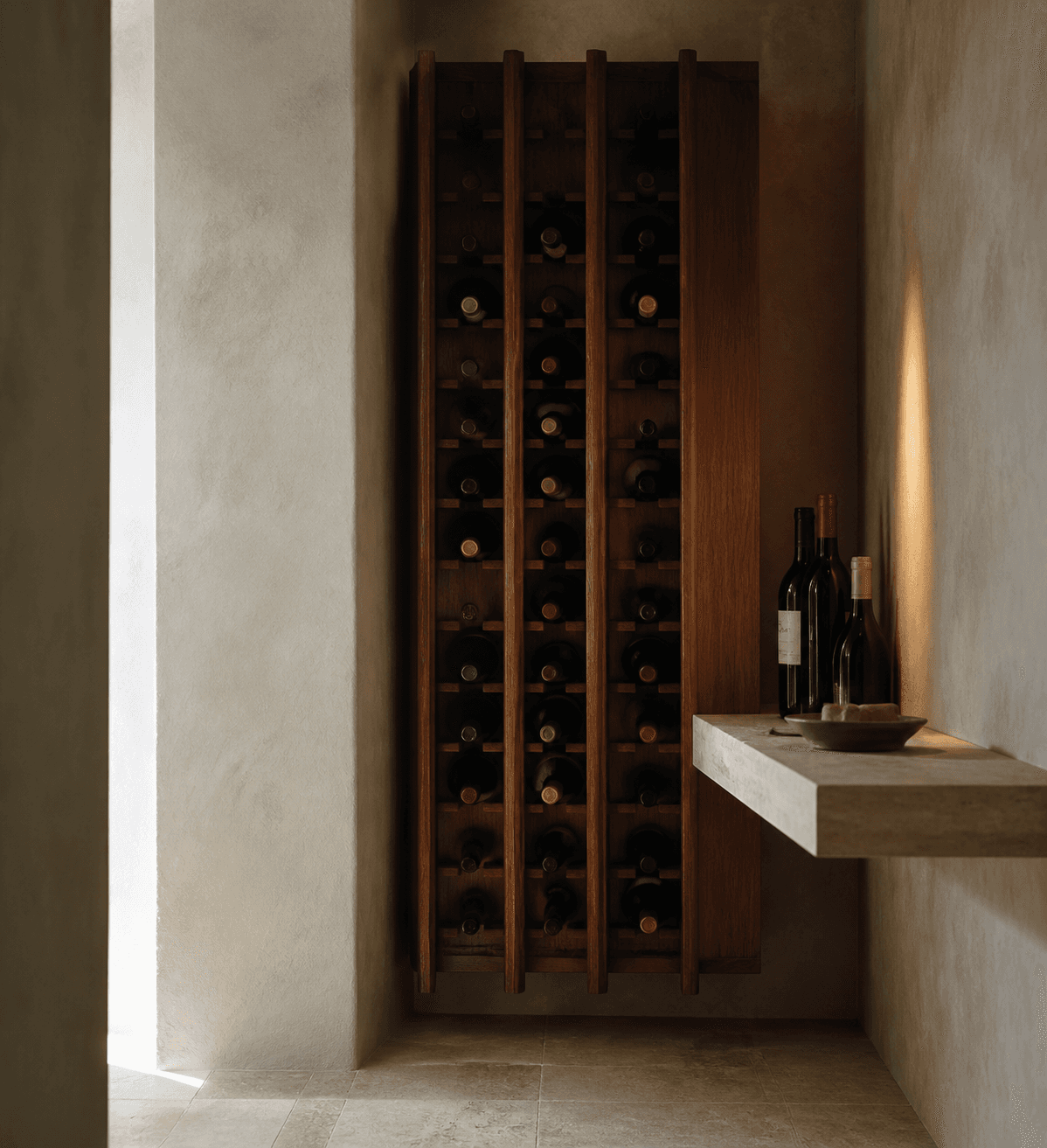
For long-term wine storage, keep the cellar between 10 and 15°C (50 to 59°F), with as little temperature variation as possible. Around 12 to 13°C (54 to 55°F) is a practical target. A stable cellar at 14°C is generally safer than one that moves between 9 and 17°C every day.
The ideal temperature range for storing wine
Wine evolves through slow chemical reactions. Cooler conditions slow those reactions; heat accelerates them. The Wine & Spirit Education Trust recommends a controlled 10 to 15°C (50 to 59°F) for long-term storage. Most dedicated wine cabinets are designed around that range.
There is no single magic degree that makes every bottle age perfectly. The more important goal is to stay within the range and avoid repeated swings. A gradual seasonal movement is less concerning than a daily cycle caused by sunlight, a boiler room or an appliance that constantly overshoots its setting.
Simple target: set a dedicated wine cabinet to 12 or 13°C, then check that the measured temperature remains stable.
Why temperature stability matters
Repeated heating and cooling changes the pressure inside a bottle. It can also expand and contract the wine and the air in the headspace. Over time, severe fluctuations may compromise the seal and accelerate development in ways that are difficult to predict.
Do not judge a cellar from one reading. Place a thermometer or data logger away from the cooling outlet and watch the high, low and average readings for at least a week. That shows whether the room is genuinely stable or only happens to be cool when you check it.
- Measure at bottle height, not near the ceiling.
- Check the warmest part of the cellar, not only the coolest shelf.
- Review daily highs and lows during the hottest month of the year.
- Keep bottles away from direct sunlight, radiators and vibrating appliances.
What about humidity?
Moderate humidity helps natural corks avoid drying from the outside, while very damp conditions can damage labels and encourage mold. For most home cellars, roughly 60 to 70 percent relative humidity is a sensible working range. Short periods outside it are usually less important than persistent extremes.
If the cellar is too dry, confirm the reading with a second hygrometer before adding moisture. If it is too damp, improve air movement and look for leaks or condensation. Protect valuable labels in archival sleeves instead of trying to make the whole room extremely dry.
Can you store wine in a normal refrigerator?
A kitchen refrigerator is useful for chilling a bottle before service, but it is not ideal for long-term storage. It is usually colder and drier than a wine cellar, vibrates, and experiences frequent temperature changes as the door opens. Strong food odors are another practical concern.
If you do not have a cellar, choose the coolest dark cupboard in the home for bottles you plan to drink soon. For bottles intended to age for years, a dedicated wine cabinet provides far more control in a small footprint.
Serving temperature is different from storage temperature
A cellar temperature protects wine over time. Serving temperature is adjusted shortly before drinking to change how the wine smells, tastes and feels. Sparkling and light white wines are generally served cooler than cellar temperature. Full-bodied reds may benefit from warming slightly after leaving a 12°C cellar.
Store the collection at one stable long-term temperature, then cool or warm the selected bottle for service. There is usually no need to divide a home cellar into red and white temperature zones unless it also functions as a ready-to-serve cabinet.
Sources and further reading
Bonvin uses primary regional bodies and established wine education sources for factual guidance. Wine style varies by producer, vintage and storage history.